
Pre-Season Planning: Scouting Locations for Fall Success

Fall trapping season can feel a long way off during the warmer months, but experienced trappers know there is plenty of work that can be done ahead of time. Scouting before the season gives you a chance to see where animals are moving, locate areas with consistent activity, and think through potential sets without the pressure of running a trapline.

At Murray’s Lures & Trapping Supplies, we believe time spent preparing can help make your days in the field more productive. A few scouting trips now can give you valuable information to use once the season opens.
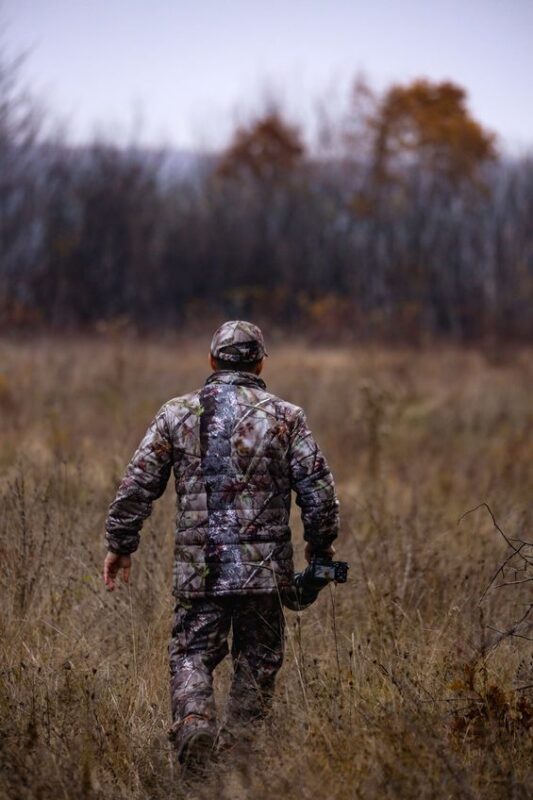
hunter scouting locations

Look for More Than Tracks

Tracks can tell you a lot, but they should not be the only sign you look for. Droppings, worn trails, feeding activity, digging, dens, hair caught on fences, and disturbed vegetation can all point toward regular animal activity.

Try to determine how recently an area has been used. Fresh sign in several places is usually more useful than a single old track. Returning to promising locations before the season can also help you see whether animals are continuing to use the same areas.

Follow the Routes Animals Already Use

Instead of choosing locations simply because they look good, pay attention to how animals naturally move through the property. Field edges, creek bottoms, fence lines, wooded trails, drainage ditches, and old logging roads can provide convenient routes.

Pinch points are especially worth noticing. These are locations where terrain, water, fencing, or vegetation funnels movement through a smaller area. Trail intersections and crossings can also reveal where multiple travel routes come together.

As you scout, make notes or save locations on your phone or GPS. When opening day arrives, you will already have a list of spots worth revisiting.

Picture Your Sets in Advance

Finding animal activity is only one part of scouting. Take a moment to consider how you could approach and work each location once the season begins. Think about available cover, changing vegetation, water levels, accessibility, and how fall weather might change the area.

Always consider applicable trapping regulations and landowner requirements when evaluating potential locations. A promising spot is only useful if you can legally and responsibly trap there.

Get Your Trapline Equipment Ready

Pre-season scouting can also reveal what you need to add or replace before fall. Inspect your traps, snares, tools, trapline accessories, baits, lures, and fur-handling equipment while you still have time to prepare.

Murray’s Lures & Trapping Supplies has been serving trappers since 1993 from Walker, West Virginia. As a family-owned business run by trappers for trappers, we stock products we trust and use ourselves. Get your trapping supplies together early, scout your locations, and enter the fall season ready to put your preparation to work. Contact Murray’s Lures & Trapping Supplies at 304-275-TRAP (8727) today or visit us online for more information!
Building an Efficient Trapline: Tools and Accessories That Save Time

Every trapper knows that time spent on the trapline adds up quickly. Whether you are checking a handful of sets or covering a large area, having the right tools and accessories can make your day more efficient. A well-prepared trapline allows you to work with confidence, reduce unnecessary trips, and spend more time focusing on successful sets instead of searching for equipment.

Here are a few ways the right gear can help you work smarter throughout the trapping season.

Start with Good Organization

Efficiency begins before you ever head into the field. Organizing your traps, bait, lures, and accessories ahead of time can make each trip smoother. Keeping similar items together in storage bins or tool bags allows you to find what you need quickly instead of digging through a pile of equipment.

Many trappers also prepare replacement parts and extra supplies before the season starts so they are always ready for unexpected repairs.

Keep Essential Tools Within Reach

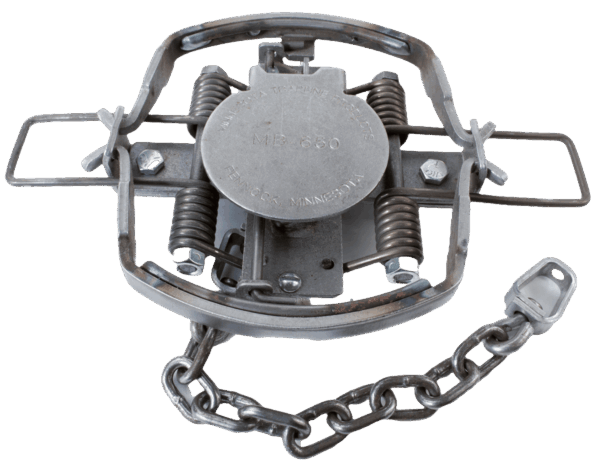
A productive trapline depends on having the right hand tools available. Trap setters, pliers, digging tools, wire cutters, and hammers are just a few essentials that help you install, adjust, and maintain your sets efficiently.

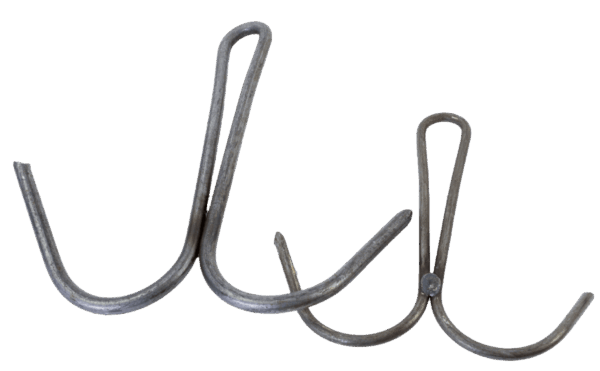
Bringing extra chain links, swivels, hooks, and fastening hardware can also save valuable time. If a repair is needed in the field, you can fix it immediately instead of cutting your day short.

Small Accessories Make a Big Difference

Some of the most valuable items on a trapline are the smallest ones. Stakes, earth anchors, cable extensions, trap tags, and scent-proof lure containers all help improve organization and speed up your work.

Having these accessories readily available allows you to build secure sets with less effort while keeping your equipment protected and easy to access throughout the day.

Be Ready for Unexpected Challenges

No two days on the trapline are exactly alike. Weather conditions, changing terrain, and equipment issues can all slow you down if you are not prepared.

Carrying a few extra supplies such as gloves, wire, zip ties, flagging tape, and replacement components gives you the flexibility to handle minor problems on the spot. Being prepared helps you stay on schedule and keeps your trapline running efficiently.

Invest in Equipment You Can Count On

Building an efficient trapline is not about rushing through the job. It is about using dependable equipment and staying organized, so every stop is as productive as possible. Quality tools and accessories help reduce downtime, improve consistency, and make each trip into the field more enjoyable.

At Murray’s Lures & Trapping Supplies, we have proudly served trappers since 1993 with trusted traps, lures, bait, trapline accessories, fur handling supplies, and outdoor gear. As a family-owned business operated by experienced trappers, we offer products we use ourselves and stand behind. Whether you are replacing worn equipment or adding new tools to your collection, we are here to help you build a more efficient and successful trapline. Contact Murray’s Lures & Trapping Supplies at 304-275–TRAP (8727) today or visit us online for more information!

Off Season Trap Maintenance That Extends Equipment Life

When the trapping season ends, it is easy to pack away your equipment and forget about it until next year. However, spending a little time maintaining your traps during the off-season can make a noticeable difference when the next season begins. Proper care helps prevent rust, extends the life of your equipment, and ensures your traps are ready to perform when you need them.

Maintaining your gear now can also reduce unexpected repairs and replacements later, saving both time and money.

Inspect Every Trap Carefully

Before storing your equipment, inspect each trap from top to bottom. Look for damaged springs, bent frames, loose chains, worn swivels, or any parts that show excessive wear. Even minor damage can affect how a trap functions in the field.

If something needs to be repaired or replaced, the off-season is the perfect time to handle it. You will avoid the last-minute rush before trapping season opens and know your equipment is in dependable condition.

Clean Away Dirt and Rust

Traps naturally collect mud, rust, and other debris after a season of use. Cleaning them thoroughly helps protect the metal and prepares them for the next steps in maintenance.

Many trappers remove surface rust with a wire brush or boil their traps to eliminate dirt, oils, and contaminants. Starting with a clean trap allows protective treatments to work more effectively and helps preserve the equipment over time.

Protect Your Traps with Dye and Wax

Once your traps are clean, many trappers apply trap dye to create a protective coating that helps resist rust. After dyeing, waxing the traps adds another layer of protection while allowing moving parts to operate smoothly.

These simple maintenance steps help traps stay in good working condition throughout the off-season and prepare them for reliable performance when trapping resumes.

Store Equipment the Right Way

Proper storage is just as important as cleaning and treating your traps. Store them in a cool, dry location where they are protected from moisture and unnecessary exposure to the elements. It is also a good idea to keep them away from gasoline, chemicals, or other strong odors that could contaminate your equipment.

Organizing traps and accessories in clearly marked containers or on storage racks also makes preparing for the next season much easier.

Start the Next Season Ready

The off-season is also a great time to inspect your entire trapping setup, including snares, stakes, setters, and other trapline accessories. Replacing worn items before the busy season helps you avoid delays and keeps your equipment dependable.

At Murray’s Lures & Trapping Supplies, we know quality equipment deserves quality care. Since 1993, our family-owned business has supplied trappers with trusted traps, lures, bait, accessories, and maintenance products that we use ourselves. Whether you are preparing for the upcoming season or replacing essential gear, we are proud to help you keep your equipment performing at its best year after year. Contact Murray’s Lures & Trapping Supplies at 304-275-TRAP (8727) today or visit us online for more information!
Choosing the Right Lure for Warm Weather Conditions

Spring brings longer days, warmer temperatures, and changing animal behavior. For trappers, it is also a time to rethink lure selection. As the weather warms up, scent travels differently, and choosing the right lure can make a noticeable difference in how animals respond to your sets.

Understanding how temperature affects scent is one of the keys to improving success during spring trapping conditions.

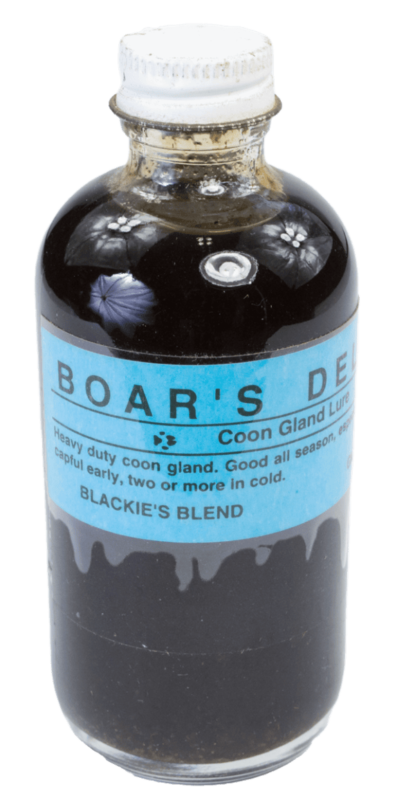
Trapping supplies

Why Temperature Matters

Lures work by attracting animals through scent, but scent is heavily influenced by weather. In cooler temperatures, odors tend to stay concentrated and disperse more slowly. As temperatures rise, scents become more active and spread farther from the set.

While increased scent dispersal can help attract animals from greater distances, it can also create problems if a lure is too strong. An overpowering scent may seem unnatural and cause wary animals to avoid the area. This is why lure selection should change with the season rather than relying on the same products year-round.

Selecting Lures for Spring Conditions

Many trappers find that lighter, more balanced scents perform well during warm weather. Food-based lures often become effective as animals search for natural food sources after winter. Curiosity lures can also encourage investigation without overwhelming an animal’s senses.

The goal is to use a lure that remains attractive while matching the environmental conditions. A quality lure designed for seasonal use can provide a consistent scent throughout the day, even when temperatures fluctuate.

Pay Attention to Animal Behavior

Spring is a season of transition for many furbearers and predators. Food availability changes, territories shift, and breeding activity may influence movement patterns. Because of this, animals may respond differently than they do during the colder months.

Having several lure options available allows you to adapt to changing conditions. If one scent is not producing results, another may be a better match for the species and behavior patterns you are encountering.

Proper Storage Makes a Difference

Warm weather can shorten the lifespan of lure products if they are not stored correctly. Keep containers sealed when not in use and avoid leaving them in direct sunlight or hot vehicles. Proper storage helps preserve scent quality and ensures the product performs as intended.

It is also a good idea to evaluate older products each spring. Fresh lure often delivers more reliable results than products that have been sitting unused for multiple seasons.

Make the Most of the Season

Successful trapping starts with understanding the conditions you are working in. As temperatures rise, choosing the right lure becomes just as important as selecting the right location or set. By using season-appropriate scents and keeping products fresh, you can create more effective sets and improve your chances of success throughout the spring months. Contact Murray’s Lures & Trapping Supplies at 304-275-TRAP (8727) today or visit us online for more information!
Spring Trapline Prep: What to Repair, Replace, and Restock

When the snow melts and the ground starts to soften, it is a good time to shift your focus back to your gear. Spring is not just downtime for trappers. It is when you get everything ready, so the next season runs smoother. Taking a few hours now to go through your equipment can save you from missed opportunities later.

trap supplies

Start With a Full Gear Check

Begin by laying out all your traps, snares, and accessories. Look for anything that stands out right away such as rust, damage, or worn parts. Even traps that seem fine should be tested. Make sure they fire cleanly and hold strong. Springs can lose strength over time, and small issues can affect performance more than you might expect.

Snares deserve just as much attention. Check for frayed cables, weak spots, or bends that could impact how they function. If something looks questionable, it is worth addressing now instead of risking it in the field.

Fix What Still Has Life Left

A lot of your equipment can be brought back into shape with a little effort. Tighten bolts, replace springs, and straighten any bent components. Once everything is working properly, clean your traps thoroughly. Many trappers also take this time to re-dye and wax their gear, which helps protect against rust and keeps things operating smoothly.

Do not forget about the smaller items. Swivels, chains, and stakes all take a beating throughout the season. Replacing or upgrading these parts can improve the overall reliability of your setup.

Replace Worn Out Equipment

Some gear is not worth holding onto. If a trap has weak springs or heavy rust, it may not perform the way you need it to. The same goes for damaged snares or anything that looks like it could fail under pressure. Reliable equipment is key, and replacing worn items now helps you avoid problems when it counts.

Adding a few new traps or trying updated designs can also be a smart move. New gear often performs better and can make your line more efficient.

Restock Your Essentials

After your equipment is ready, take inventory of your supplies. Baits and lures should be fresh to stay effective, so it is a good idea to restock before the season. Make sure you have plenty of gloves, wax, dye, and other tools you rely on.

Spring prep is also a great time to stay organized. Having everything in its place makes it easier to hit the ground running when the season arrives.

Getting your trapline ready in the spring is a simple step that pays off all year. When your gear is in good shape and your supplies are stocked, you can focus on running your line with confidence instead of dealing with preventable issues. Contact Murray’s Lures & Trapping Supplies at 304-275-TRAP (8727) today or visit us online for more information!